As naval operations increasingly concentrate in contested littoral environments, submarine design is being shaped by a different operational logic. In the latest issue of Naval Submarine League‘s quarterly publication, Submarine Review, the analysis points toward a clear conclusion: for littoral operations, the 300-ton class appears to offer a particularly effective balance of manoeuvrability, stealth, and operational utility. In shallow, acoustically complex coastal waters, this scale provides a meaningful advantage where detection ranges are compressed, reaction times are short, and freedom of movement is critical. The DRASS DGK compact submarine sits squarely within the 300-ton class, embodying that operating logic in a platform configured for contested coastal operations, where compact dimensions, low observability, and credible combat capacity must coexist. Submarines below 120 tons face structural constraints in crew size, payload, and endurance. At the other end of the spectrum, moving beyond roughly 400 tons can introduce penalties in inertia and acoustic signature, reducing agility and discretion where they matter most. As maritime nations place growing emphasis on the protection of coastal zones, chokepoints, and critical subsea infrastructure, the case becomes increasingly compelling: compact submarines are not a compromise, but a highly effective response to evolving littoral demands. —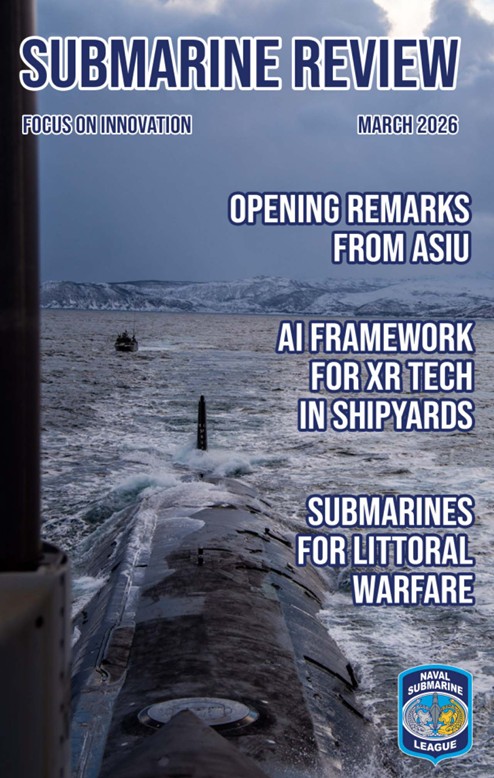
Article author: Liborio F. Palombella (Ret.), Italian Navy Admiral, former Commander of the Toti-class ITS Dandolo, Sauro-class ITS Pelosi, ASW frigate ITS Scirocco, and destroyer ITS Duilio, and former Head of Operations at the Italian High Seas Fleet Command. He holds Master’s degrees in Maritime & Naval Sciences, Political Science, and Strategic Studies.
THE LITTORAL SWEET SPOT
Categories
Related Blogs
2 April 2026
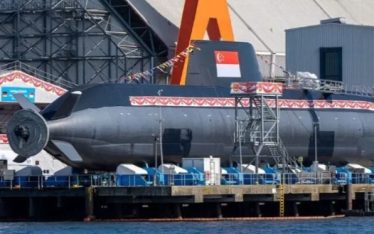
We are pleased to share the following thought-provoking article published by elSnorkel.com about why export success remains the ultimate validation of a submarine builder’s technological and industrial strength. JTVCZGZsaXAlMjBpZCUzRCUyMjM0NzYwJTIyJTVEJTVCJTJGZGZsaXAlNUQ=

1 April 2026
DRASS recently completed a hyperbaric pressure testing campaign on behalf of a leading manufacturer of offshore valves and other industrial solutions for the oil and gas, power generation, petrochemical and...
25 March 2026
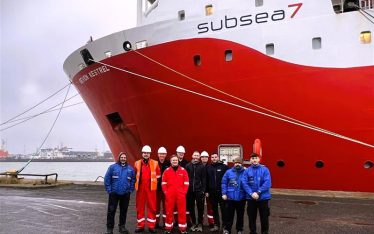
DRASS recently visited the Seven Kestrel in Denmark, delivering targeted upgrades across automation, control, and mechanical systems, enhancing operational capability for Subsea7 — and marking 14 years since the integration...